

Bone Grafting Application
Bone grafting is an essential procedure in modern implant dentistry, designed to restore lost or weakened jawbone tissue and create the necessary foundation for successful dental implant placement. When a tooth is missing for an extended period, the jawbone begins to shrink due to lack of stimulation, a natural process called bone resorption. Bone grafting reverses this deterioration by adding biocompatible material that encourages natural bone regeneration. As implants require a certain amount of bone height, width, and density to remain stable, bone grafting plays a critical role in long-term implant success. This detailed guide explains what bone grafting is, when it is recommended, the different types of grafting materials, how the procedure works, healing expectations, risks, and aftercare instructions based on modern clinical standards.

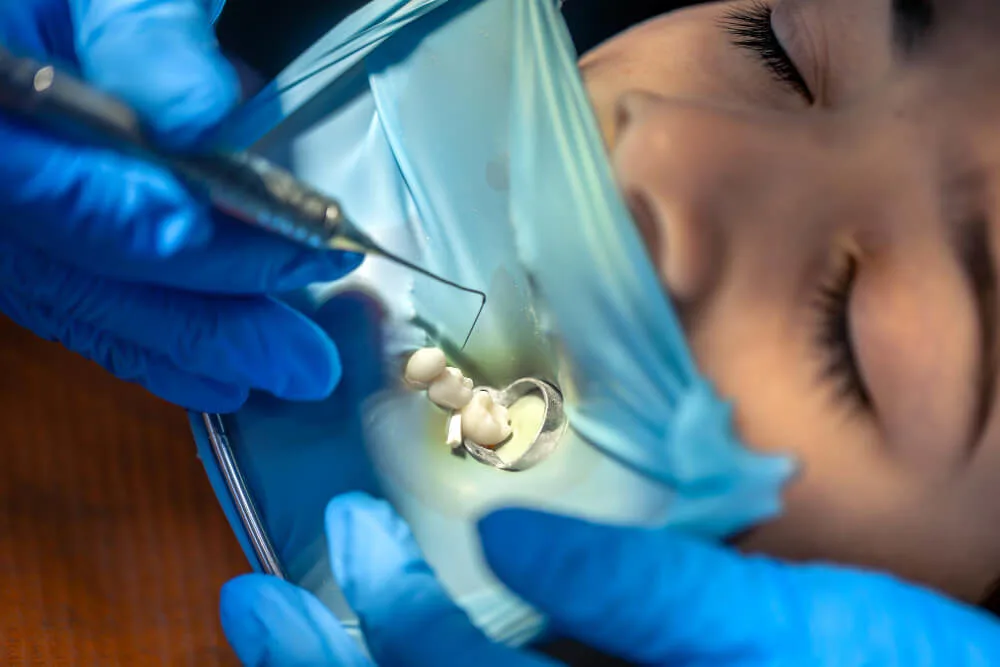
What Is Bone Grafting?
Bone grafting is a surgical procedure used to rebuild or augment jawbone tissue. The graft material acts as a scaffold that stimulates natural bone growth. Over time, the patient’s own bone integrates with the graft, creating a solid base strong enough to hold dental implants securely.
Bone grafting can be small and simple—such as adding a minor amount of material after tooth extraction—or extensive, such as rebuilding areas severely affected by trauma or advanced periodontal disease.
When Is Bone Grafting Needed?
Dentists recommend bone grafting in the following situations:
To Prepare for Dental Implants
If bone height or width is insufficient, grafting is necessary before implant placement.
Bone Loss After Tooth Extraction
Bone shrinks rapidly in the first 6–12 months after losing a tooth.
Periodontal Disease
Advanced gum disease can destroy the supporting jawbone.
Sinus Expansion in the Upper Jaw
Also known as “pneumatization,” requiring sinus lift or vertical bone augmentation.
Injury or Trauma
Accidents can damage bone structure, requiring reconstruction.
Congenital Defects
Some individuals naturally have thin or insufficient bone volume.
Without adequate bone, implants cannot integrate properly, increasing the risk of failure.
Types of Bone Graft Materials
A variety of materials are used depending on the clinical case:
Autogenous Graft (Patient’s Own Bone)
Collected from areas like the chin or jaw.
Highly compatible and considered the gold standard.
Allogenic Graft (Human Donor Bone)
Processed and sterilized bone sourced from tissue banks.
Promotes natural bone growth without a second surgical site.
Xenograft (Animal Bone)
Often derived from bovine sources.
Provides excellent volume stability over time.
Alloplastic Graft (Synthetic Material)
Includes bioactive glass or hydroxyapatite.
Safe, resorbable, and ideal for minor augmentations.
Each material offers unique advantages, and dentists determine the best option based on anatomy and treatment goals.
How Bone Grafting Is Performed
The grafting procedure follows a systematic surgical approach:
1. Clinical Evaluation and Imaging
3D CBCT scans are taken to measure bone depth, height, and density.
2. Treatment Planning
A customized plan is prepared based on implant location and bone needs.
3. Local Anesthesia
Ensures complete comfort during surgery.
4. Flap Elevation
The gum is gently lifted to expose the underlying bone.
5. Placement of Graft Material
The selected graft is placed into the deficient area.
6. Membrane Application
A barrier membrane is placed to protect the graft and promote healing.
7. Suturing
The gum tissue is repositioned and stitched closed.
Bone grafting is typically an outpatient procedure lasting 30–90 minutes.
Healing and Bone Regeneration
Bone graft healing consists of several phases:
Early Healing
Inflammation reduces, and blood vessels begin to form around the graft.
Bone Integration
New bone cells gradually replace the graft material over 3–6 months.
Full Maturation
A dense, strong jawbone structure capable of supporting implants forms within 4–9 months.
Healing time varies depending on bone quality, graft size, patient age, and overall health.
Benefits of Bone Grafting
Bone grafting offers several clinical advantages:
Restores adequate bone volume for implants
Prevents further bone loss
Improves facial structure and symmetry
Enhances implant stability
Repairs damage from periodontal disease
Enables long-term functional and aesthetic results
For many patients, bone grafting is a vital step toward achieving a complete and healthy smile.
Risks and Possible Complications
While generally safe, potential complications include:
Temporary swelling or bruising
Bleeding at the surgical area
Infection
Graft material exposure
Slow healing in smokers or diabetics
Proper post-operative care significantly reduces risks.
Aftercare Instructions
Patients should follow these guidelines after bone grafting:
Avoid touching the surgical site
Apply ice to reduce swelling
Eat soft foods for several days
Avoid smoking
Maintain excellent oral hygiene
Use prescribed antibiotics or rinses
Attend all follow-up appointments
Good aftercare improves graft success and long-term bone stability.
Conclusion
Bone grafting is a cornerstone of modern implant dentistry, ensuring that patients with insufficient bone can still benefit from stable and long-lasting dental implants. By rebuilding lost bone and restoring structural integrity, grafting allows for predictable, high-success implant placement. When paired with proper surgical planning and diligent aftercare, bone grafting provides a reliable foundation for functional and aesthetic oral rehabilitation.


Frequently Asked Questions
They can help you with common questions we have included what we think.
The procedure is performed under local anesthesia, making it comfortable. Mild soreness afterward is normal and manageable with medication.
Small grafts may allow immediate implants, but larger defects require several months of healing. The dentist determines the best timing through imaging.
Severe bone loss can still be treated using advanced grafting or zygomatic implants. Modern techniques make reconstruction possible in most cases.
 WhatsApp