

Sinus Lift
A sinus lift is one of the most important surgical procedures in implant dentistry, designed to increase bone volume in the upper jaw so that dental implants can be placed safely and successfully. When the upper jawbone is too thin—often due to sinus expansion or long-term tooth loss—a sinus lift adds bone beneath the sinus membrane to create sufficient height for implant anchorage. This procedure has become a routine and highly predictable technique, allowing countless patients who were previously not candidates for implants to receive stable, long-lasting restorations. This comprehensive guide explains what a sinus lift is, why it is necessary, how it is performed, healing expectations, risks, and what patients should know before undergoing the procedure.

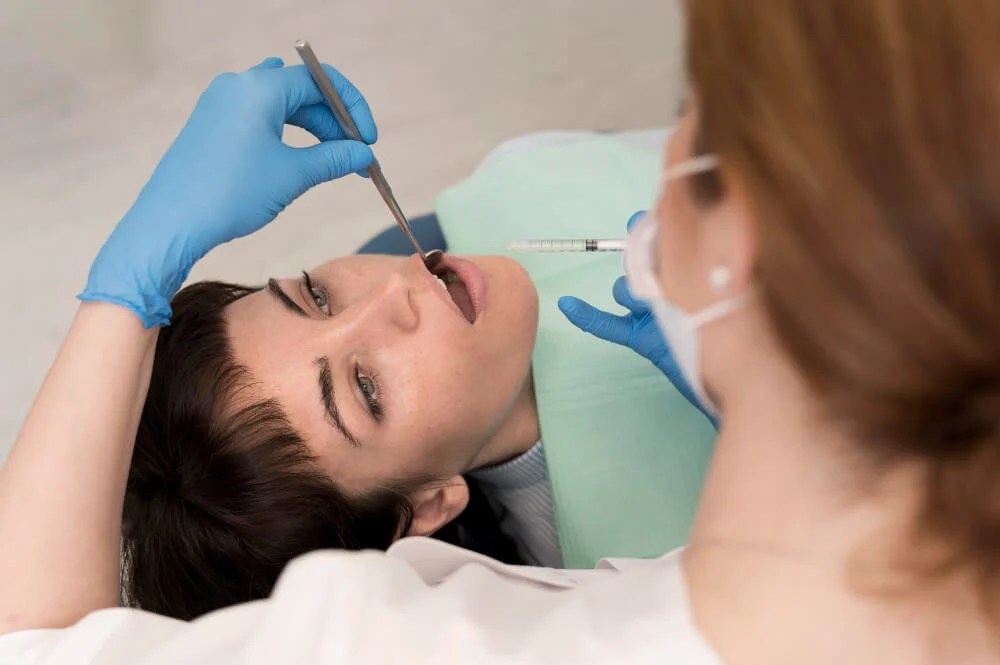
What Is a Sinus Lift?
A sinus lift, also called sinus augmentation, is a surgical procedure that elevates the maxillary sinus membrane and places bone graft material underneath it. The goal is to increase bone height in the posterior upper jaw (usually where molars and premolars are located). When teeth are lost in this area, the sinus naturally expands downward, reducing available bone. A sinus lift reverses this process and regenerates the bone needed for implant stability.
Why Is a Sinus Lift Needed?
Dentists may recommend a sinus lift when:
Bone Height Is Insufficient for Implants
Loss of upper molars often leads to rapid bone resorption.
The Sinus Has Expanded (Pneumatization)
As the sinus enlarges, it occupies the space where bone once existed.
Periodontal Disease
Advanced gum disease can destroy supporting bone.
Trauma or Infection
Injuries may cause bone defects requiring augmentation.
Congenital Anatomy
Some individuals naturally have thinner upper-jaw bone.
Without enough bone, implants risk penetrating the sinus or failing to integrate, making sinus lift essential for long-term success.
Types of Sinus Lift Procedures
There are two primary methods:
1. Lateral Window Sinus Lift
Used when bone height is severely limited.
A small window is opened on the side of the sinus wall
The membrane is gently lifted
Bone graft material is placed underneath
The window is closed with a membrane or graft material
This method is ideal for large augmentations.
2. Crestal (Internal) Sinus Lift
Used when bone height is only slightly insufficient.
The sinus floor is lifted through the implant site
Minimal graft material is added
The implant may be placed immediately
This approach is less invasive and has shorter healing time.
Bone Graft Materials Used
A variety of biocompatible materials support bone regeneration:
Autogenous bone (from the patient)
Allograft (human donor bone)
Xenograft (bovine or porcine)
Synthetic grafts (hydroxyapatite or bioactive glass)
The choice depends on the defect size, healing expectations, and implant plan.
How Is a Sinus Lift Performed?
The procedure follows a systematic series of steps:
1. Examination and Imaging
3D CBCT scans determine the sinus position, membrane thickness, and bone depth.
2. Local Anesthesia
Ensures complete patient comfort.
3. Surgical Access
Either the lateral wall or the crest of the bone is opened depending on technique.
4. Membrane Elevation
The Schneiderian membrane is gently lifted without perforation.
5. Graft Placement
Bone material is inserted into the newly created space.
6. Closure
A collagen membrane may be placed, and the gums are sutured.
Sinus lift surgery typically takes 30–90 minutes depending on complexity.
Healing and Bone Integration
Healing occurs in several phases:
Early Phase (Weeks 1–4)
Initial inflammation decreases and the graft begins stabilizing.
Intermediate Phase (Months 2–4)
Bone formation becomes visible on radiographs.
Final Integration (Months 6–9)
Graft fully matures and becomes strong enough for implant placement.
In some cases, immediate implants can be placed if bone quality allows.
Benefits of a Sinus Lift
A sinus lift provides multiple advantages:
Enables implant placement in areas previously impossible
Restores lost bone volume
Improves long-term implant success
Provides stronger support for chewing
Enhances oral function and stability
Prevents sinus complications from improper implant placement
For patients missing upper molars, this procedure is often a critical part of full oral rehabilitation.
Possible Risks and Complications
Though very safe, complications can include:
Sinus membrane perforation
Infection
Bleeding
Graft displacement
Sinus congestion or pressure sensation
An experienced surgeon dramatically reduces these risks.
Aftercare Instructions
Patients should follow these guidelines:
Avoid blowing the nose for at least 10–14 days
Sneeze with an open mouth
Avoid heavy lifting or bending
Take prescribed antibiotics and anti-inflammatories
Eat soft foods for several days
Maintain gentle oral hygiene around the area
Proper aftercare supports healing and graft stability.
Conclusion
A sinus lift is a proven and effective procedure that enables implant placement in areas with inadequate bone. By elevating the sinus membrane and regenerating bone, the technique ensures long-term stability, improved function, and high implant success rates. With proper planning, skilled execution, and careful aftercare, a sinus lift becomes a predictable solution for patients seeking durable and aesthetic tooth replacement.


Frequently Asked Questions
They can help you with common questions we have included what we think.
Implants can often be placed after four to nine months of healing. In mild cases, immediate placement is possible.
Small tears can be repaired during surgery. If too large, the procedure is postponed to allow healing before retrying.
 WhatsApp