

Digital Smile Design (DSD)
Digital Smile Design, often abbreviated as DSD, is one of the most innovative advancements in modern aesthetic dentistry. It uses digital technology, advanced imaging, and computer-guided planning to design a smile that is fully customized to a patient’s facial proportions, personality, and expectations. Unlike traditional smile design methods that rely on manual measurements and visual estimation, DSD provides a highly accurate, predictable, and interactive process—allowing patients to preview their future smile before any treatment begins. This technology-driven approach enhances communication between the dentist, the dental laboratory, and the patient, ensuring exceptional aesthetic and functional outcomes. This comprehensive guide explains what Digital Smile Design is, how it works, who can benefit, and why it is considered the gold standard for smile planning today.

What Is Digital Smile Design?
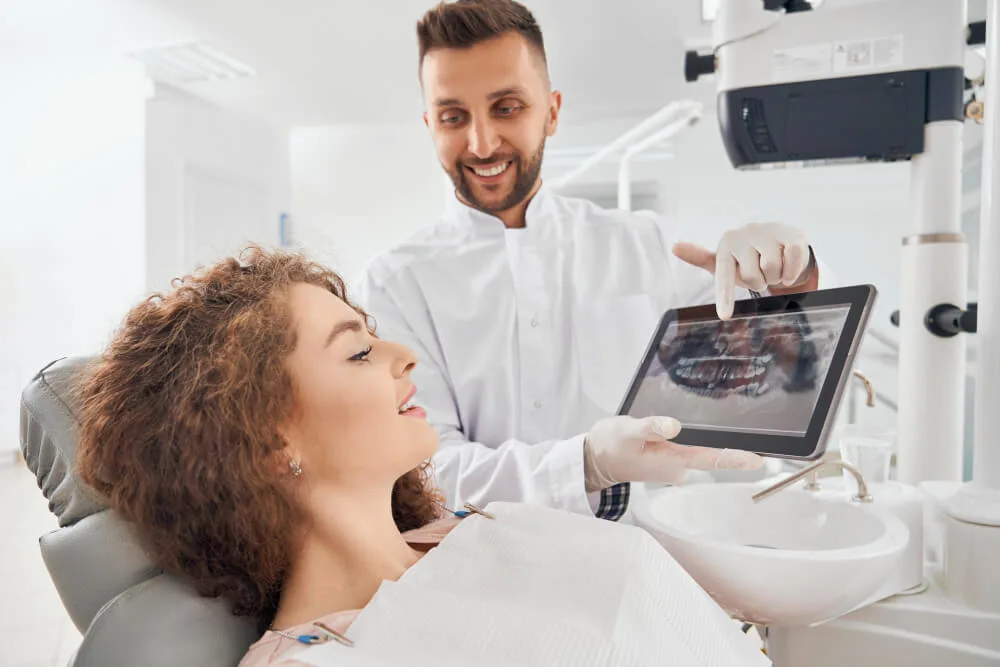
Digital Smile Design is a planning protocol that combines photographs, videos, digital scans, and specialized software to create a virtual simulation of a patient’s ideal smile. By analyzing facial movements, lip position, and natural proportions, DSD enables dentists to craft a smile that harmonizes with the patient’s unique features.
The DSD process allows patients to:
Visualize their new smile
Participate in the design
Share preferences for shape, color, and style
Understand treatment steps clearly
This interactive nature builds confidence and ensures highly personalized results.
How Digital Smile Design Works
The DSD process involves several technologically advanced steps:
1. Digital Records and Data Collection
High-resolution photos, videos, and intraoral scans capture detailed information about the teeth, gums, and facial structure. Video is especially important because it shows how the smile looks during natural movements such as speaking and laughing.
2. Facial and Dental Analysis
Software measures facial symmetry, proportions, and smile dynamics. The dentist evaluates tooth size, color, gum levels, midline alignment, and lip mobility.
3. Smile Simulation
Using specialized DSD software, a digital mock-up of the ideal smile is created. Patients can preview the proposed changes and request adjustments.
4. Mock-Up Application (Trial Smile)
A temporary version of the designed smile is placed over the teeth using resin material. This allows the patient to see, feel, and test the new smile in real life.
5. Treatment Planning
The dentist creates a step-by-step plan that may include veneers, whitening, crowns, orthodontic treatment, implants, or gum contouring.
6. Final Implementation
After approvals, the final restorations are produced—usually with CAD/CAM technology or premium materials such as E-max, zirconium, or porcelain.
Benefits of Digital Smile Design
Digital Smile Design provides unique advantages that go beyond traditional methods:
Extreme Precision
Digital measurements eliminate guesswork and produce highly accurate results.
Predictable Outcomes
Patients see the final smile before treatment begins, ensuring no surprises.
Improved Communication
Dentists, lab technicians, and patients collaborate seamlessly.
Enhanced Aesthetics
DSD considers facial harmony, personality, and natural anatomy.
Boosted Confidence
Patients feel secure and excited about their transformation.
Functional Improvements
DSD addresses bite alignment and chewing function, not just appearance.
Emotional Connection
Patients actively participate in shaping their smile, increasing satisfaction.
Who Is a Candidate for Digital Smile Design?
DSD is ideal for patients seeking a personalized aesthetic improvement or comprehensive smile transformation. Suitable candidates include those with:
Discoloration or staining
Gaps between teeth
Chipped or worn teeth
Misalignment or uneven tooth edges
Gummy smiles
Missing teeth requiring implants
Poorly shaped or small teeth
Old restorations needing replacement
Even patients with complex dental conditions benefit from DSD’s predictable planning.
Treatments Commonly Combined with DSD
Digital Smile Design is often paired with the following procedures to achieve optimal results:
Teeth Whitening
Improves brightness and enhances final smile aesthetics.
Porcelain Veneers
Creates symmetrical, natural-looking tooth surfaces.
E-max and Zirconia Crowns
Provides durability and beauty for damaged or root canal–treated teeth.
Composite Bonding
Fixes small chips and shape inconsistencies.
Orthodontic Aligners
Corrects misalignment using clear aligners or braces.
Gum Contouring
Improves gum-to-tooth ratios for a more balanced look.
Dental Implants
Replaces missing teeth for a complete smile makeover.
Longevity and Maintenance
Digital Smile Design results can last many years, depending on the treatments performed:
Veneers: 10–20 years
Zirconia crowns: 15–25 years
Bonding: 5–7 years
Orthodontic results: lifelong with retainers
Maintaining proper oral hygiene, wearing night guards if needed, and attending regular dental visits are essential for long-term success.
Risks and Considerations
While Digital Smile Design is non-invasive and extremely safe, patients should be aware of:
The need for healthy gums before treatment
Potential enamel removal for veneers
Commitment to follow the full treatment plan
Realistic expectations regarding achievable changes
Working with an experienced cosmetic dentist ensures optimal results.

Frequently Asked Questions
They can help you with common questions we have included what we think.
 WhatsApp