

Flap Surgery
Flap surgery is a periodontal surgical procedure designed to treat advanced gum disease, access the roots of the teeth, and restore the health of supporting bone and tissues. When gingivitis progresses into periodontitis, harmful bacteria accumulate deep beneath the gums, forming pockets that cannot be cleaned effectively with regular brushing or even professional cleanings alone. Flap surgery opens the gums to allow deep cleaning, regeneration, and reshaping of underlying structures. This procedure is essential for preserving natural teeth, stopping disease progression, and restoring gum and bone health. This comprehensive guide explains what flap surgery is, why it’s performed, how the procedure works, its benefits, risks, healing process, and long-term aftercare.
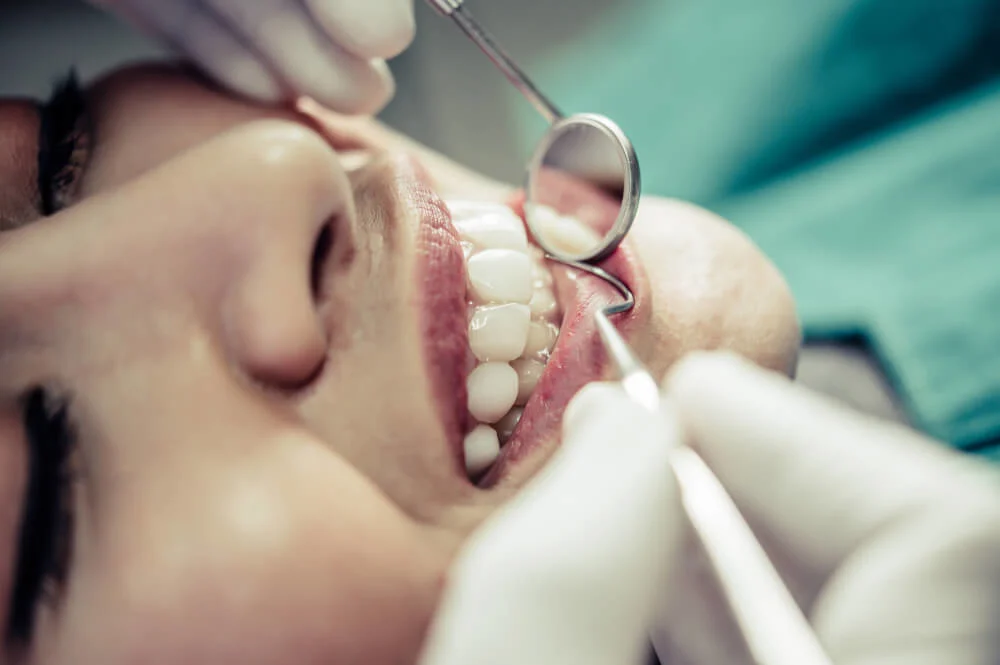

What Is Flap Surgery?
Flap surgery—also called periodontal flap surgery or pocket reduction surgery—is a procedure in which the gum tissue is gently lifted or “flapped open” to access the tooth roots and surrounding bone. The dentist or periodontist removes plaque, tartar, and infected tissue from deep pockets that form during periodontitis.
The primary goals of flap surgery are:
To eliminate deep periodontal pockets
To remove infection and inflammation
To regenerate or reshape supporting bone
To reduce gum detachment and recession
To stabilize teeth and prevent further bone loss
Flap surgery is considered the gold standard for treating moderate to advanced periodontitis.
Why Is Flap Surgery Needed?
Flap surgery becomes necessary when non-surgical treatments like scaling and root planing are no longer effective.
Reasons for flap surgery include:
Deep Periodontal Pockets
When pockets exceed 5–6 mm, bacteria cannot be removed with basic cleaning.
Severe Bone Loss
Advanced periodontitis damages the bone, requiring surgical access to correct it.
Recurrent Infections
Persistent inflammation despite treatment indicates deeper issues.
Gum Recession or Irregular Gum Shape
Flap surgery helps reshape the gum line and underlying bone.
Preparation for Regenerative Treatments
Some bone grafts or membranes require surgical access.
Loose Teeth
Loss of supporting tissue compromises tooth stability.
Flap surgery addresses the root cause of periodontal disease rather than just the symptoms.
Types of Flap Surgery
Several techniques are used depending on the severity of gum disease:
1. Modified Widman Flap Surgery
A minimally invasive approach to clean deep pockets and remove infected tissue.
2. Pocket Reduction Surgery
Removes bacteria, reduces pocket depth, and repositions the gum closer to the tooth.
3. Regenerative Flap Surgery
Used when bone defects are present. Bone grafts, membranes, or proteins stimulate regeneration.
4. Osseous Surgery
Smooths and reshapes damaged bone around the roots for a more stable environment.
Each technique is selected based on clinical examination and X-rays.
How Flap Surgery Works
1. Consultation and Evaluation
The dentist performs periodontal probing, takes X-rays, and evaluates pocket depths.
2. Local Anesthesia
Numbs the area to ensure a comfortable procedure.
3. Gum Incision and Flap Creation
The gum is lifted back to expose the tooth roots and bone.
4. Cleaning the Roots
Tartar, plaque, and infected tissue are removed with ultrasonic tools and hand instruments.
5. Bone Reshaping or Regeneration
If necessary, the bone is smoothed or grafts are placed to encourage regrowth.
6. Flap Closure
The gum is repositioned and sutured to reduce pocket depth.
7. Dressing Placement
Sometimes a protective dressing is used to shield the area during early healing.
The procedure typically takes 45–90 minutes depending on severity.
Benefits of Flap Surgery
Flap surgery provides significant clinical advantages:
Reduces periodontal pocket depths
Eliminates bacteria inaccessible by standard cleaning
Prevents tooth loss
Reshapes damaged bone
Minimizes gum recession
Stops disease progression
Improves gum health and tissue attachment
Enhances long-term oral stability
These improvements significantly enhance quality of life and overall oral health.
Healing and Recovery
Healing time varies depending on the extent of surgery:
First 24–48 Hours
Mild swelling and discomfort
Small amount of bleeding
Use of cold compress and pain medication
1–2 Weeks
Sutures removed
Gum tissue begins to reattach
Sensitivity decreases
4–6 Weeks
Gum healing stabilizes
Pocket depth reduction becomes noticeable
3–6 Months
Full healing and regeneration (if grafting was performed)
Patients can typically resume normal activities within a day or two.
Aftercare Instructions
To ensure optimal healing:
Avoid brushing the surgical area for the first few days
Rinse with prescribed antibacterial mouthwash
Avoid smoking and alcohol
Eat soft foods for the first week
Keep the mouth clean to prevent infection
Take prescribed medications
Attend follow-up appointments
Use ice packs to reduce swelling
These steps support healing and reduce complications.
Risks and Considerations
While flap surgery is safe and predictable, potential risks include:
Temporary sensitivity
Swelling or bruising
Gum recession
Minor bleeding
Infection (rare)
Tooth mobility in severe cases
Aesthetic concerns if recession is significant
An experienced periodontist minimizes these risks through precise technique.
Long-Term Maintenance
After flap surgery, long-term periodontal maintenance is essential:
Professional cleanings every 3–4 months
Daily brushing and flossing
Using interdental brushes for deep areas
Avoiding smoking
Maintaining good general health
Proper maintenance prevents recurrence of periodontal disease.

Frequently Asked Questions
They can help you with common questions we have included what we think.
 WhatsApp