

Implant Peripheral Treatments
Implant peripheral treatments are essential procedures that support the long-term success, stability, and aesthetics of dental implants. While dental implants provide a highly durable and natural-looking replacement for missing teeth, additional treatments are often required to prepare the surrounding tissues, enhance bone support, and optimize the overall result. Peripheral treatments address issues involving the gums, bone structure, and soft tissue areas around the implant, ensuring proper healing, ideal implant positioning, and long-term health. This comprehensive guide explains what implant peripheral treatments are, when they are needed, the different types available, their benefits, risks, and what patients should expect before and after these procedures.

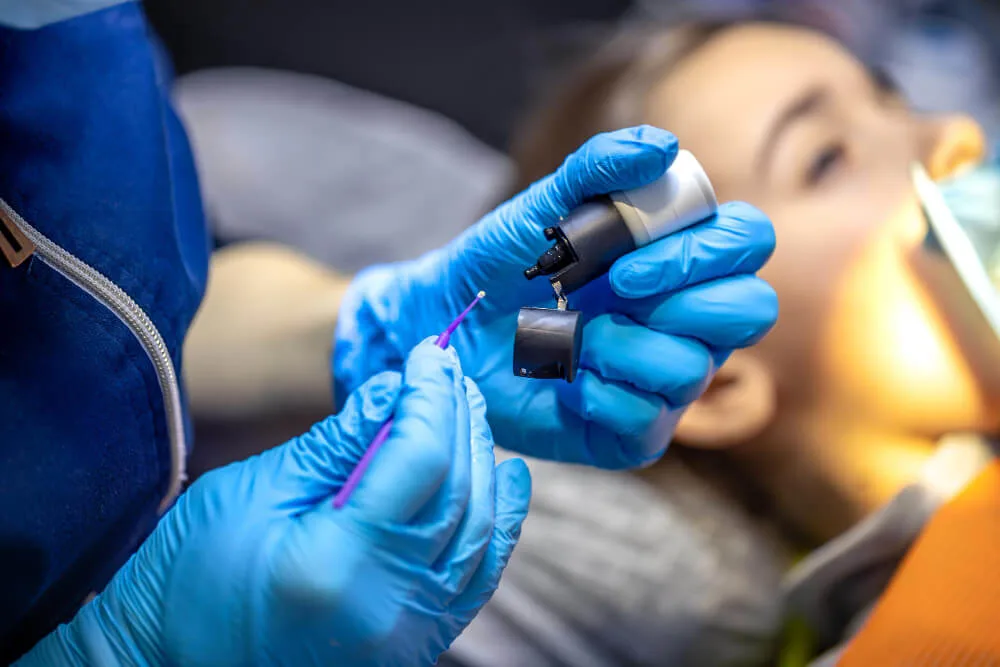
What Are Implant Peripheral Treatments?
Implant peripheral treatments include any supportive procedures performed before, during, or after implant placement to improve bone stability, gum aesthetics, or soft tissue health. These treatments ensure that the implant has an optimal environment to integrate properly with the bone and remain functional for years.
Peripheral treatments address concerns such as:
Insufficient bone height or density
Thin or receded gums around the implant
Poor soft tissue aesthetics
Exposed implant threads
Irregular bone contours
Compromised gum attachment
These procedures are crucial for achieving natural-looking results and long-term implant success.
Why Are Peripheral Treatments Needed?
Even though implants are highly successful, certain factors make additional procedures necessary:
Bone Loss
Missing teeth cause rapid bone resorption, making implants difficult to place.
Thin Gums
Thin gum tissue increases the risk of recession, inflammation, or poor aesthetics around the implant.
Soft Tissue Irregularities
Gum defects or asymmetrical contours can affect the final appearance.
Exposed Implant Threads
In cases of peri-implant problems or anatomical limitations.
Sinus Proximity
Implants placed in the upper jaw sometimes require sinus management.
Peripheral treatments prepare the site and ensure each step of implant placement is precise and stable.
Types of Implant Peripheral Treatments
Several supportive procedures are used to enhance implant success:
1. Bone Grafting
Rebuilds bone in the implant area when natural bone is insufficient.
Types include:
Allograft (human donor bone)
Autograft (patient’s own bone)
Xenograft (animal-derived)
Synthetic bone materials
Bone grafting strengthens the implant foundation.
2. Sinus Lift
Raises the sinus membrane to create adequate bone height in the upper jaw.
Essential for implants in the molar and premolar regions.
3. Ridge Augmentation
Rebuilds the jaw ridge when bone height or width is reduced.
Helps create a natural contour.
4. Soft Tissue Grafting
Adds or reshapes gum tissue around implants.
Used to correct:
Thin gums
Recession
Poor aesthetics
Lack of keratinized tissue
Soft tissue grafts protect the implant and enhance appearance.
5. Platelet-Rich Fibrin (PRF) Therapy
Uses the patient’s own blood to accelerate healing and reduce inflammation.
PRF improves soft tissue quality and speeds recovery after implant surgery.
6. Peri-Implantitis Treatment
Treats inflammation or infection around implants.
May involve:
Deep cleaning
Laser therapy
Bone regeneration techniques
Antibiotics
Early treatment prevents implant failure.
7. Implant Exposure Surgery
Performed in two-stage implant systems.
Gums are opened to expose the implant head before placing the healing cap.
8. Esthetic Gingival Contouring
Shapes the gum around the implant crown to ensure symmetry and natural appearance.
How Implant Peripheral Treatments Work
1. Consultation and Imaging
CBCT scans measure bone volume, soft tissue thickness, and implant positioning.
2. Treatment Planning
A detailed plan outlines which peripheral procedures are needed and when.
3. Surgical Preparation
Local anesthesia is used to ensure a comfortable procedure.
4. Procedure Execution
The dentist or periodontist performs the required grafting, contouring, or soft tissue management.
5. Healing Phase
Healing times vary depending on the treatment:
Soft tissue procedures: 2–6 weeks
Bone grafting: 3–6 months
Sinus lifts: 4–9 months
6. Implant Placement or Restoration
Once the supporting tissues are ready, implants or crowns are placed.
These steps create optimal conditions for long-term implant success.
Benefits of Implant Peripheral Treatments
Increased implant stability
Improved bone and gum health
Enhanced aesthetic results
Reduced risk of implant failure
Stronger soft tissue attachment
Protection against peri-implantitis
Better foundation for prosthetic restorations
Peripheral treatments strengthen both the biological and aesthetic outcomes of implant treatment.
Longevity and Success
When combined with proper peripheral management, dental implants have success rates of 95–98%.
Peripheral procedures increase stability by:
Strengthening weak bone
Improving soft tissue sealing
Preventing gum recession
Enhancing long-term hygiene
This ensures implants function like natural teeth for decades.
Risks and Considerations
As with any surgical procedure, potential risks include:
Swelling or bruising
Temporary discomfort
Infection
Failed graft integration
Gum recession
Slow healing in smokers or diabetics
An experienced implant surgeon minimizes these risks significantly.
Aftercare Recommendations
To support healing and long-term success:
Follow all post-operative instructions
Use prescribed mouth rinses
Avoid smoking
Practice meticulous oral hygiene
Attend regular follow-up visits
Avoid hard foods during healing
Wear night guards if grinding is present
Proper aftercare ensures stable and aesthetic results.


Frequently Asked Questions
They can help you with common questions we have included what we think.
An implant peripheral treatment is a medical procedure that involves the use of an implant to treat conditions like chronic pain, movement disorders, and epilepsy by delivering electrical impulses to the peripheral nervous system.
Peripheral nerve stimulation involves the implantation of small electrodes near the affected nerves, which deliver electrical impulses that block pain signals and provide relief to patients suffering from chronic pain conditions.
Deep brain stimulation is used to treat movement disorders like Parkinson's disease by implanting electrodes in the brain that deliver electrical impulses to targeted areas and improve the patient's symptoms.
Responsive neurostimulation is a treatment for epilepsy that involves the implantation of electrodes in the brain that detect and respond to abnormal electrical activity, helping to prevent seizures.
Implant peripheral treatments are generally safe, but like any medical procedure, they do carry some risks. It is important to discuss the potential risks and benefits with your doctor before undergoing any treatment.
Patients with chronic pain, movement disorders, or epilepsy who have not responded to other forms of treatment may be good candidates for implant peripheral treatment.
 WhatsApp