

Scaling & Polishing
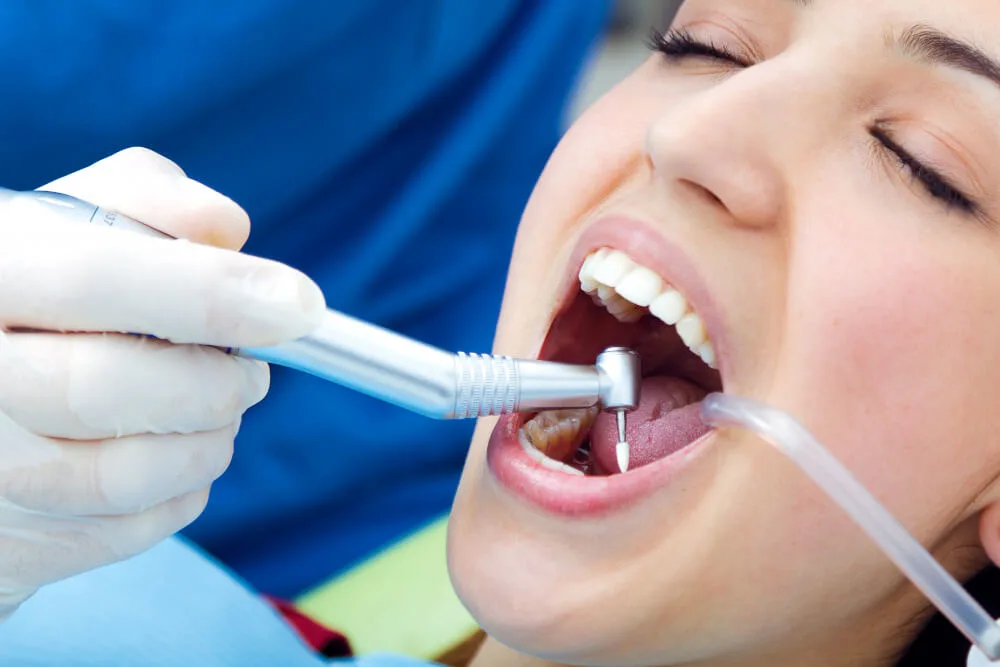
Scaling and polishing is a fundamental dental procedure designed to remove plaque, tartar, and staining from the teeth while improving gum health and enhancing overall oral hygiene. Even with regular brushing and flossing, plaque can accumulate in hard-to-reach areas, eventually hardening into tartar (calculus). Once tartar forms, it cannot be removed at home and requires professional cleaning. Scaling and polishing prevent gum disease, reduce bad breath, and maintain a clean, bright smile. This comprehensive guide explains what scaling and polishing involve, who needs it, how the procedure works, its benefits, risks, and recommended frequency for long-term oral health.

What Is Scaling & Polishing?
Scaling and polishing is a two-step professional cleaning process:
Scaling
The removal of plaque and hardened tartar from tooth surfaces, gum lines, and periodontal pockets using ultrasonic devices or manual instruments.
Polishing
Smoothing and shining the tooth surfaces using polishing paste or rubber cups to remove stains and make it harder for plaque to accumulate.
Together, they form the foundation of preventive dentistry and help maintain both oral health and aesthetics.
Who Needs Scaling & Polishing?
Nearly every individual benefits from scaling and polishing, but the procedure is especially important for those who:
Experience gum bleeding
Have tartar buildup
Have bad breath
Smoke or drink staining beverages
Have mild gum disease (gingivitis)
Have orthodontic appliances
Want to maintain implant or crown hygiene
Have diabetes or systemic conditions affecting gum health
Routine cleanings help prevent progression to periodontal disease.
Why Is Scaling Important?
Without professional removal, plaque hardens into calculus within 24–72 hours. This tartar buildup:
Irritates gums
Causes inflammation (gingivitis)
Leads to gum recession
Traps bacteria
Contributes to bone loss (periodontitis)
Regular scaling disrupts bacteria and prevents serious gum problems.
How the Scaling Procedure Works
1. Clinical Examination
The dentist or hygienist evaluates teeth, gums, and pocket depth.
2. Ultrasonic Scaling
High-frequency vibrations break apart tartar deposits while water flushes out bacteria.
3. Manual Scaling
Fine manual instruments remove remaining deposits and reach precise areas.
4. Root Planing (If Needed)
Smoothing the root surfaces to reduce bacterial attachment in deeper gum pockets.
Scaling is painless for most patients. Local anesthesia may be used for deeper cleaning.
What Is Polishing?
Polishing is performed after scaling to remove surface stains and smooth the enamel.
Polishing Methods Include:
Rubber cup polishing with paste
Brush polishing
Air-polishing (water, air, and powder spray) for advanced stain removal
A smooth surface prevents plaque from adhering easily and enhances tooth brightness.
Benefits of Scaling & Polishing
Scaling and polishing provide essential clinical and aesthetic advantages:
Removes plaque and tartar
Prevents gum disease
Reduces gum bleeding and inflammation
Eliminates surface stains
Freshens breath
Improves gum attachment
Supports implant and crown longevity
Enhances the appearance of the smile
Promotes overall oral hygiene
These benefits make routine cleanings a key component of preventive dental care.
Recommended Frequency
Dental professionals typically recommend scaling and polishing:
Every 6 months for healthy individuals
Every 3–4 months for patients with gum disease or implants
More frequently for smokers or diabetics
Regular check-ups ensure early detection of potential issues.
Scaling & Polishing for Special Cases
Orthodontic Patients
Braces increase plaque retention, requiring more frequent cleanings.
Implant Patients
Scaling prevents peri-implant inflammation.
Patients with Crowns or Bridges
Regular cleaning protects the margins from decay and infection.
Children
Helps prevent early signs of gum disease and improves hygiene habits.
Risks and Considerations
Scaling and polishing are extremely safe, but some patients may experience:
Mild sensitivity
Temporary gum soreness
Slight bleeding
Brief cold sensitivity
These effects are temporary and resolve quickly.
Aftercare Recommendations
To maintain results and improve oral hygiene:
Brush twice daily with fluoride toothpaste
Floss or use interdental brushes
Avoid sugary foods and acidic drinks
Use antibacterial mouthwash if recommended
Keep up with regular dental check-ups
Avoid smoking to protect gums
Consistent habits ensure long-term gum and tooth health.


Frequently Asked Questions
They can help you with common questions we have included what we think.
 WhatsApp