

Teeth Whitening
Teeth whitening is one of the most popular cosmetic dental treatments worldwide, designed to lighten the color of natural teeth and remove stains caused by food, drinks, smoking, aging, or certain medications. A brighter smile enhances confidence, improves facial aesthetics, and creates a more youthful appearance. Modern whitening techniques use safe, effective bleaching agents—typically hydrogen peroxide or carbamide peroxide—to break down deep stains and discoloration. Whether performed in a dental clinic or through professionally supervised take-home kits, teeth whitening offers fast, noticeable, and long-lasting results. This comprehensive guide explains how whitening works, who is a good candidate, the types of treatments available, benefits, risks, longevity, and aftercare recommendations.

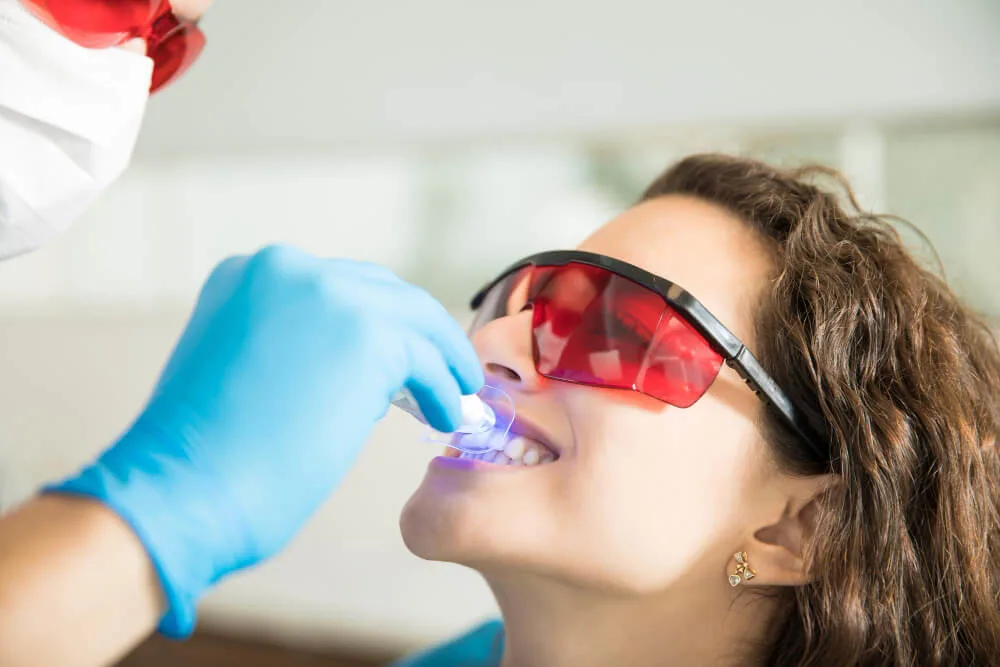
What Is Teeth Whitening?
Teeth whitening is a non-invasive procedure that lightens the color of natural tooth enamel. The whitening agents penetrate the porous structure of enamel and break apart stain molecules. This process restores brightness and removes discoloration without altering tooth structure.
Teeth whitening does not affect crowns, veneers, or fillings—only natural teeth can be bleached.
Who Is a Good Candidate for Teeth Whitening?
Teeth whitening is ideal for individuals with:
Yellow or brown stains caused by food and drinks
Aging-related discoloration
Tobacco stains
Surface-level extrinsic stains
Mild intrinsic discoloration
Patients with gum disease, severe sensitivity, bare roots, or deep intrinsic stains may require alternative treatments such as veneers or bonding.
Causes of Tooth Discoloration
Understanding why teeth change color helps determine the best whitening method.
Extrinsic Stains (Surface Stains)
Caused by:
Coffee, tea, wine, soda
Foods with strong pigments
Smoking or tobacco
Poor brushing habits
These respond very well to whitening treatments.
Intrinsic Stains (Deep Stains)
Caused by:
Aging
Trauma to the tooth
Childhood antibiotics (tetracycline)
Excessive fluoride exposure
These stains may require stronger whitening or cosmetic alternatives.
Types of Teeth Whitening
In-Office Whitening
Performed by a dentist using high-concentration bleaching gel and sometimes LED light activation.
Benefits:
Fast results (1–3 shades brighter in 45–60 minutes)
Safe for gums and enamel
Ideal for special events or quick improvements
Take-Home Whitening Kits
Custom trays and controlled bleaching gel provided by the dentist.
Benefits:
More gradual and controlled
Professional-strength results
Useful for long-term maintenance
Over-the-Counter Whitening
Whitening strips or generic trays available in stores.
Benefits:
Affordable
Easy to use
Limitations:Less effective
May cause gum irritation
Results are slower and less predictable
Dentists recommend professional whitening for maximum safety and effectiveness.
How In-Office Whitening Works
The clinical whitening process follows these steps:
1. Examination and Shade Selection
The dentist evaluates oral health and notes the starting shade.
2. Gum Protection
A barrier gel is applied to protect gums from irritation.
3. Application of Whitening Gel
A peroxide-based gel is placed on the teeth.
4. Activation
Depending on the system, an LED or laser light may be used to accelerate results.
5. Gel Replacement
The gel is reapplied every 10–20 minutes in cycles.
6. Final Rinse and Shade Comparison
Results are visible immediately after treatment.
Benefits of Teeth Whitening
Teeth whitening provides multiple aesthetic and psychological advantages:
Brighter, more attractive smile
Boosts self-esteem and confidence
Enhances social and professional presence
Quick, minimally invasive procedure
Affordable cosmetic improvement
Does not damage enamel when performed professionally
Whitening is one of the easiest ways to refresh a smile.
Professional Whitening vs. Home Whitening
Professional whitening offers:
Stronger results
Safer application
Faster shade changes
Lower risk of sensitivity
Home kits are ideal for maintenance or mild discoloration but cannot achieve the same intensity as clinical whitening.
Longevity of Teeth Whitening Results
Results vary depending on lifestyle:
Typically 6–12 months
Longer with proper care
Touch-up treatments every 6 months maintain brightness
Avoiding staining foods and practicing good oral hygiene extends whitening longevity.
Risks and Side Effects
Common but temporary side effects include:
Tooth sensitivity
Gum irritation
Mild enamel dehydration
These effects usually resolve in 24–48 hours. Desensitizing toothpaste or fluoride gel can minimize symptoms.
Whitening is safe when performed properly; excessive or unsupervised treatments can damage enamel.
Aftercare Recommendations
To maintain results:
Avoid coffee, tea, wine, berries, and tobacco for 48 hours
Brush with a whitening or fluoride toothpaste
Reduce acidic drinks
Rinse after consuming staining foods
Use custom trays for occasional touch-ups
Maintain routine dental cleanings
These habits help preserve brightness long-term.


Frequently Asked Questions
They can help you with common questions we have included what we think.
 WhatsApp